 AETHERIA
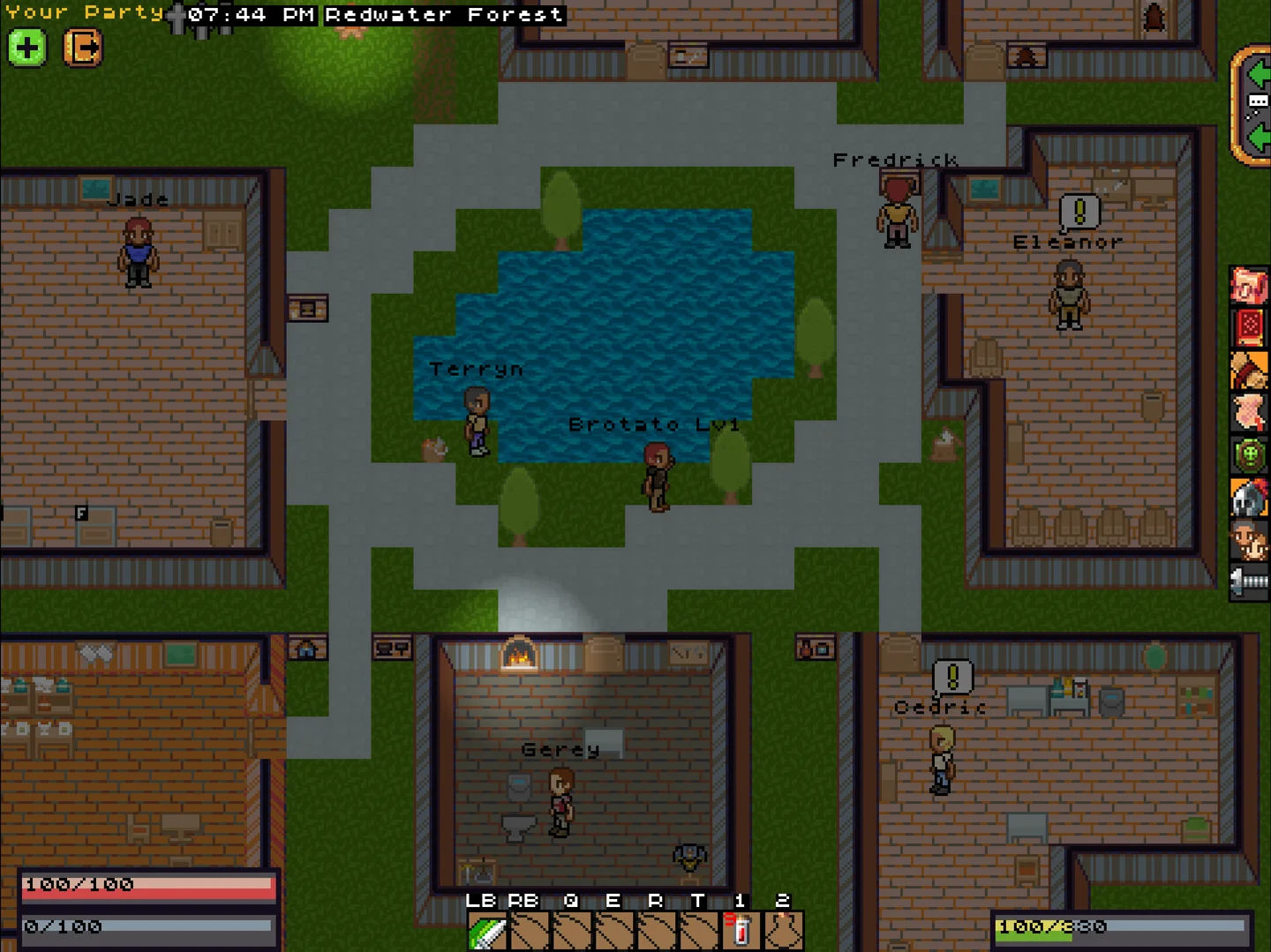
Aetheria: Emberlight
Solo RPG adventure with classes, combat and region progression.
▷ Play Aetheria: EmberlightPixel exploration without RPG progression
The game loads only after you press Start. Keyboard recommended; hosted touch arrows and Z are available, but device compatibility is not guaranteed.
· Retrying reloads the game and may lose progress. The hosted game requires this embedded player.
Solo RPG adventure with classes, combat and region progression.
▷ Play Aetheria: Emberlight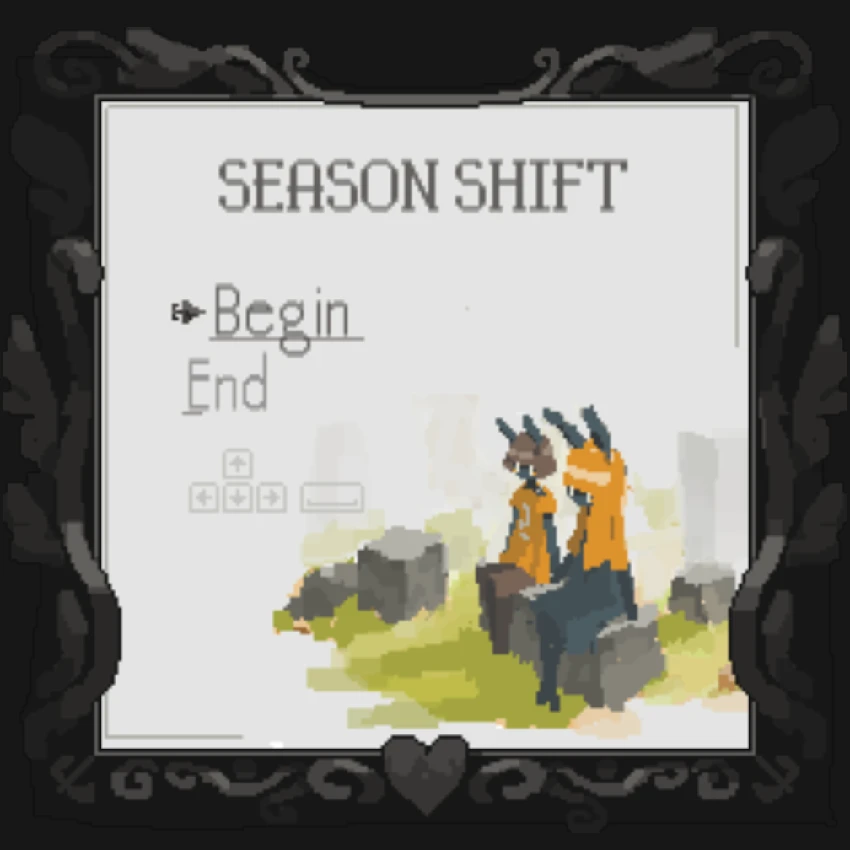
Cozy singleplayer pixel puzzles: reshape the world to collect flowers, without RPG progression.
▷ Play Season ShiftSeason Shift offers a small change of pace for visitors who arrive at Aetheria looking for a pixel world to explore. Its central task is collecting flowers by changing the world around you. This is a cozy singleplayer puzzle game, not another role-playing campaign. Approach it as an exercise in noticing connections rather than a journey toward a stronger character. A promising route matters more than a build, and careful observation is a better starting point than looking for a combat rotation. The pleasure comes from reconsidering a space that initially seems difficult to cross.
That distinction is useful before pressing Start. The Aetheria adventure elsewhere on this site discusses classes, guardians, equipment and regional objectives. Those instructions do not describe Season Shift. Keep each game's rules separate, even when both use a pixel-art presentation. Here, the practical question is how a changed arrangement might help you reach a flower. You do not need to bring a character, an account, or knowledge of Aetheria's systems to understand this guide. Treat the first moments as an invitation to learn a different visual language rather than as the beginning of another RPG grind.
Begin by identifying your immediate objective and looking at the surrounding space. Resist the urge to move continuously just because a direction appears open. Instead, pick a destination you can describe clearly, then look for the connection between your current position and that destination. A useful mental note is specific: you want to reach a particular flower, and one part of the route currently seems disconnected. This gives your next experiment a purpose. You are no longer searching the entire picture for an answer; you are testing one relationship within it.
This approach does not require a perfect internal map. Choose a few visual landmarks that you can recognize again after a change. Notice where they are relative to the objective, not just where they sit on your screen. If a shift changes your understanding of the space, pause and rebuild that small mental picture. The aim is not to memorize every decorative detail. It is to distinguish information that helps you navigate from information that simply makes the world pleasant to look at. Take your time when those two things seem to overlap.
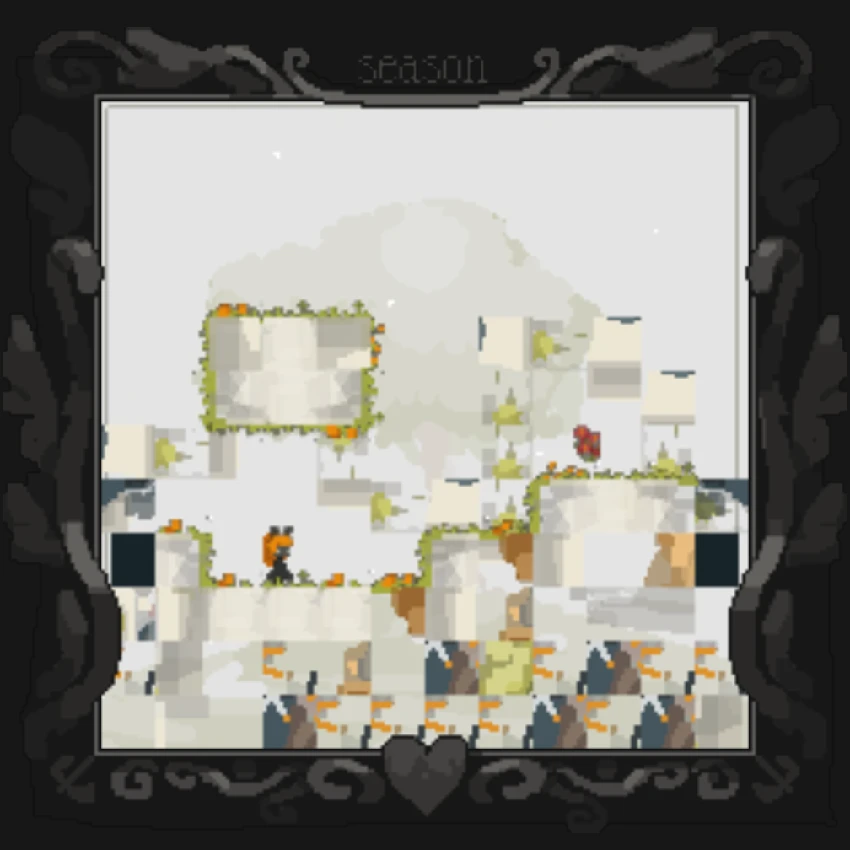
World shifting is the premise, but a good experiment still needs a question. Before changing anything, ask what you expect to become different. Perhaps you are checking whether a route that looked incomplete becomes useful, or whether your current position is a better starting point after the change. Make the prediction small enough that you can compare it with what actually happens. You do not need to predict a complete solution. Learning that one idea is wrong can be useful if you understand why it failed.
After the shift, compare the result before immediately taking another action. Did the relationship you were watching change? Is the flower now easier to approach, or does a different part of the route need attention? Avoid treating every unsuccessful attempt as wasted time. An attempt that rules out a specific possibility is information. Repeating the same sequence without noticing its result is less helpful. The checklist below supports this habit by separating observation, prediction and testing. Its boxes are personal reminders, not instructions that claim to solve any particular puzzle or detect what the game has already completed.
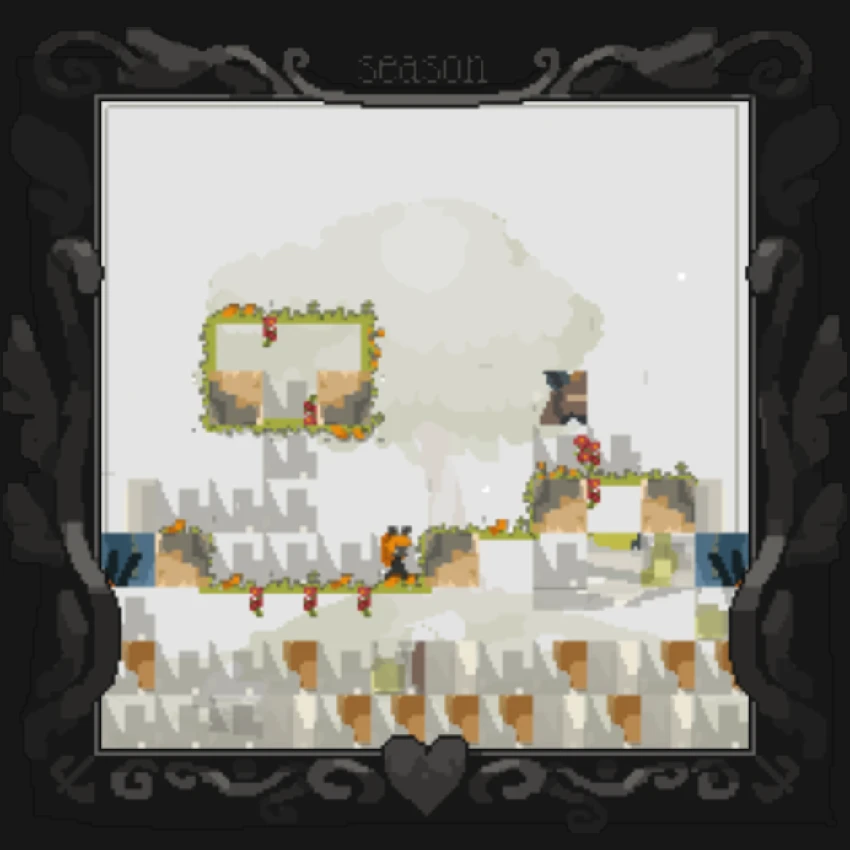
The flower-collecting premise gives your exploration a clear focus. For an Aetheria visitor, the important change in mindset is to stop interpreting every collectible as a resource for a character build. This guide does not describe crafting recipes, rarity tiers, experience bonuses or equipment upgrades for Season Shift. None of those systems is needed to explain the supplied premise. The useful question is whether you can arrange a workable approach to the objective, not whether collecting something will improve a statistic for the next encounter.
Try describing a puzzle in terms of relationships instead of rewards. Where is the flower in relation to you? What part of the route is uncertain? Which observation would help you decide your next move? These questions keep your attention on the visible problem. They also make it easier to return after a short break, because you can remember an unresolved connection rather than a long chain of guesses. If you find yourself searching the page for a best class or an upgrade order, return to the game window and reset your expectations: this is a puzzle excursion, not the site's RPG progression guide.
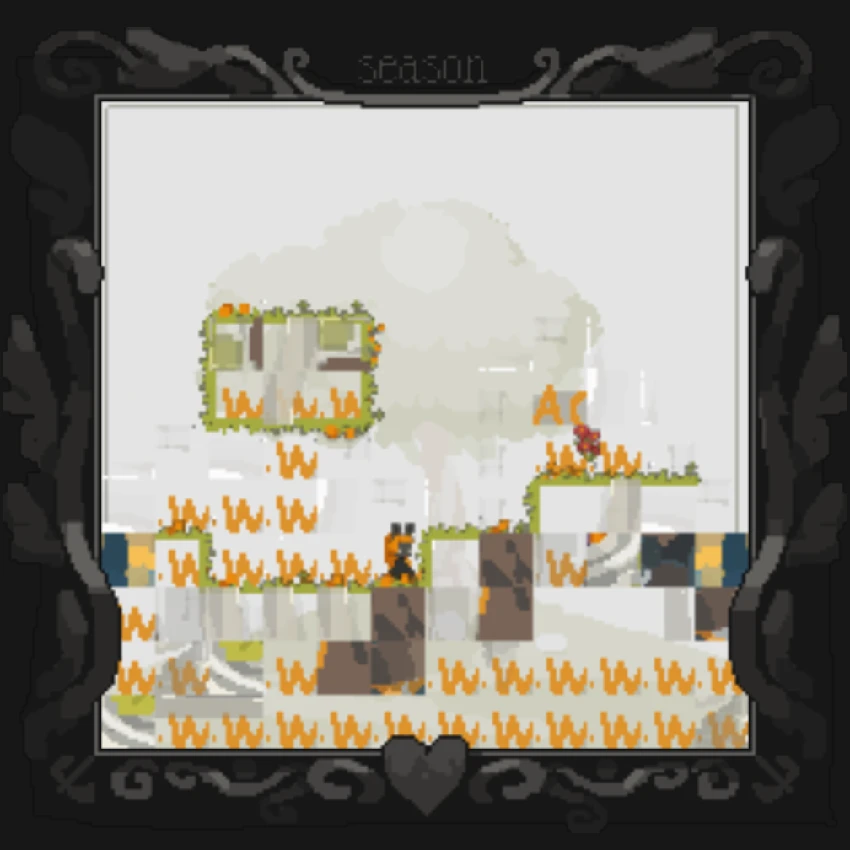
The creator describes approximately fifteen puzzles. That is a useful sense of scale, not a promise about how long your own visit will last. Some players enjoy testing many possibilities; others prefer to sit with one arrangement until a route becomes clear. Neither approach needs a timer on this page. A compact puzzle game can still reward patient attention, especially when a familiar-looking space behaves differently from what you first expected. Choose a session length that leaves room to observe rather than measuring success by how quickly you move through the whole game.
For a comfortable first visit, aim to understand one situation clearly. Notice what you tried and what it taught you. If you stop, make your own brief note about the current problem before leaving the tab. This website does not promise automatic saving, cross-device continuity or a recoverable game history. The checklist is intentionally temporary and should not be mistaken for a save system. Avoid refreshing a running game simply to clear the checklist: its separate reset button changes only your notes on this page. Keeping those two actions distinct reduces the chance of accidentally interrupting your session.
Pixel art invites inspection, and that can be part of the appeal even when you are not actively solving anything. Let the visual style help you recognize landmarks and enjoy the world, but do not assume that every color or decorative object has a hidden mechanical function. A useful clue is something whose relationship to your actions you can observe. If you have not tested that relationship, treat it as an idea rather than a confirmed rule. This keeps curiosity productive without turning the guide into a collection of invented secrets.
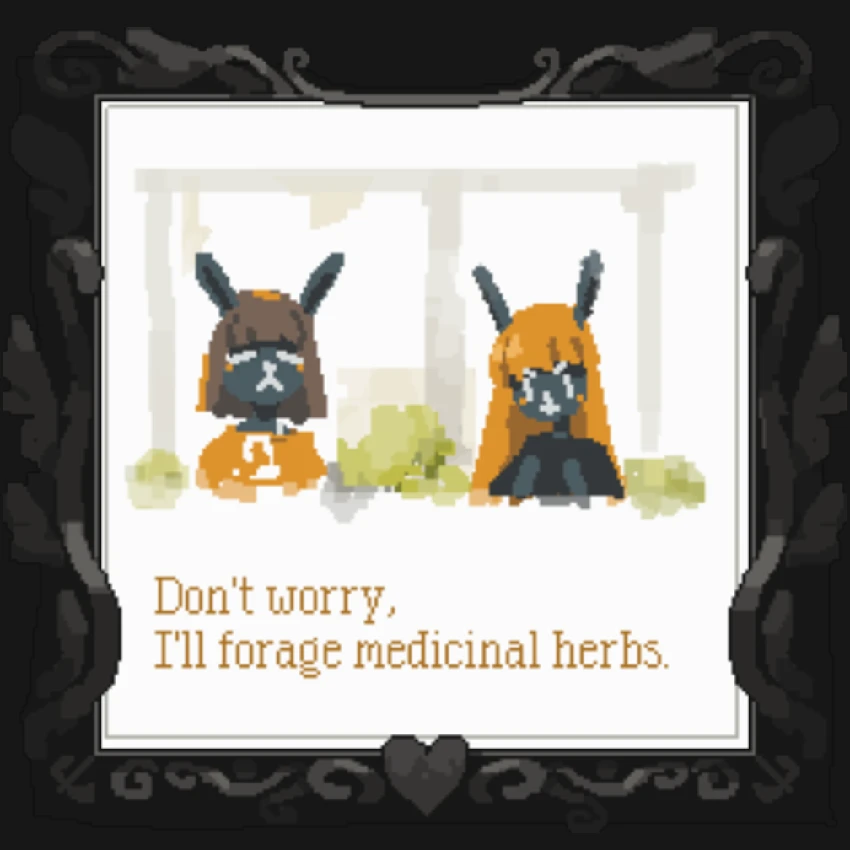
The images accompanying this page are references for the game's presentation. They are not numbered solution diagrams, proof of a particular route, or a promise that your current screen will match them exactly. Use them to decide whether the visual style interests you, then rely on the active game for the situation in front of you. No video walkthrough has been supplied for this page, so there is no embedded video section or fabricated playthrough. The written advice deliberately stays at the level of observation and route planning, leaving discoveries to your own play rather than pretending to document unverified puzzle solutions.
A common way to lose direction in a spatial puzzle is to ask only how to finish it. That question is too large when you do not yet understand the arrangement. Replace it with something smaller: what can I reach from here, what changes after one shift, or which landmark can I still recognize? Answering one of those questions may not complete the puzzle, but it gives your next attempt a foundation. You can also describe the obstacle aloud in a single sentence. If the description is vague, spend another moment observing before acting.
If several attempts have started to blur together, take a short pause rather than increasing the speed of your inputs. Return to a clear objective and compare a single change. Do not assume that this website can undo a move, reset a level or recover a session; use only controls actually presented by the game. This guide does not prescribe an unverified key binding. Reading the game's own input instructions is safer than borrowing shortcuts from another browser title. The same principle applies to gamepad use: available input support and a comfortable layout on your particular device are separate questions.
Pressing Start replaces the cover with the hosted game inside the same widescreen area. The frame is intentionally click-to-load, so reading the guide does not automatically start the game. Once it appears, click inside it if keyboard input is still going to the surrounding page. A frame that remains blank is a loading problem, not a difficult puzzle. Check your connection and use Retry game frame if the embedded player does not load. This reloads the iframe and may lose current game progress. The hosted game requires an embedded player; opening its URL directly displays guidance rather than starting the game. Return to the player above instead of treating a direct URL as an alternative way to play.
The surrounding guide adapts to smaller screens. The original creator's page lists keyboard and gamepad input, and its author has stated that the original does not support iPad. The hosted version used here adds touch arrow and Z controls; that adaptation is separate from the original game's limitation. It does not guarantee compatibility with every phone, tablet or browser. A keyboard-equipped desktop or laptop remains a cautious starting choice. If touch input does not work on your device, try a keyboard-equipped device rather than repeatedly reloading. Fullscreen availability depends on the browser and should be treated as a viewing option, not a compatibility fix.
Season Shift fits this site's broader interest in readable pixel worlds while offering a genuinely different activity. Choose it when you want to examine a small space, test a spatial idea and gather flowers through observation. Choose the Aetheria browser adventure when you want the site's separate class-based journey. Neither choice is presented as an upgrade over the other, and no shared character or progress transfer is implied. The shared game cards keep both destinations available, including the page you are already reading, so you can compare their descriptions without guessing which experience a link opens.
Before returning to the frame, pick one practical intention for your next attempt. You might decide to identify a landmark, predict the effect of a shift, or check a route that you previously ignored. Keep that intention narrow and allow yourself to revise it when the world gives you new information. That is the central recommendation of this field guide: enjoy the exploration, but let evidence guide the next step. You do not need an RPG progression plan to make progress here. You need a clear observation, a small experiment and enough patience to see what changed.
A thinking aid, not a walkthrough or game tracker. Nothing here reads or changes the game. Checks last only for this page visit.
No. It is a cozy singleplayer pixel puzzle game about shifting the world to collect flowers. Aetheria classes and progression advice do not apply.
The creator describes roughly fifteen puzzles. This is an approximate count, not a guaranteed completion time.
Press Start game above to load the frame, then click inside it for keyboard focus. Enter or Z was tested for starting the game; Right Arrow moves and Z changes the world. Follow the in-game instructions for other controls.
The original creator reported no iPad support. This hosted adaptation adds touch arrow and Z controls, but that does not guarantee iPad or other device compatibility.
No. The supplied game is a cozy singleplayer puzzle experience, not a multiplayer RPG or horror title.
No. It is a temporary observation aid. It neither reads the game nor changes its progress, and its checks reset on page reload.
Check your connection and use Retry game frame in the player. The hosted game requires an iframe; its direct URL shows guidance. Retrying may lose current progress.
No video was supplied. This guide offers spoiler-light observation advice, not verified level-by-level solutions.